Explore our complex PTSD treatment in NJ programs in New Jersey at Horizon Healing Center in Long Branch, where we help all clients find the healing you deserve.
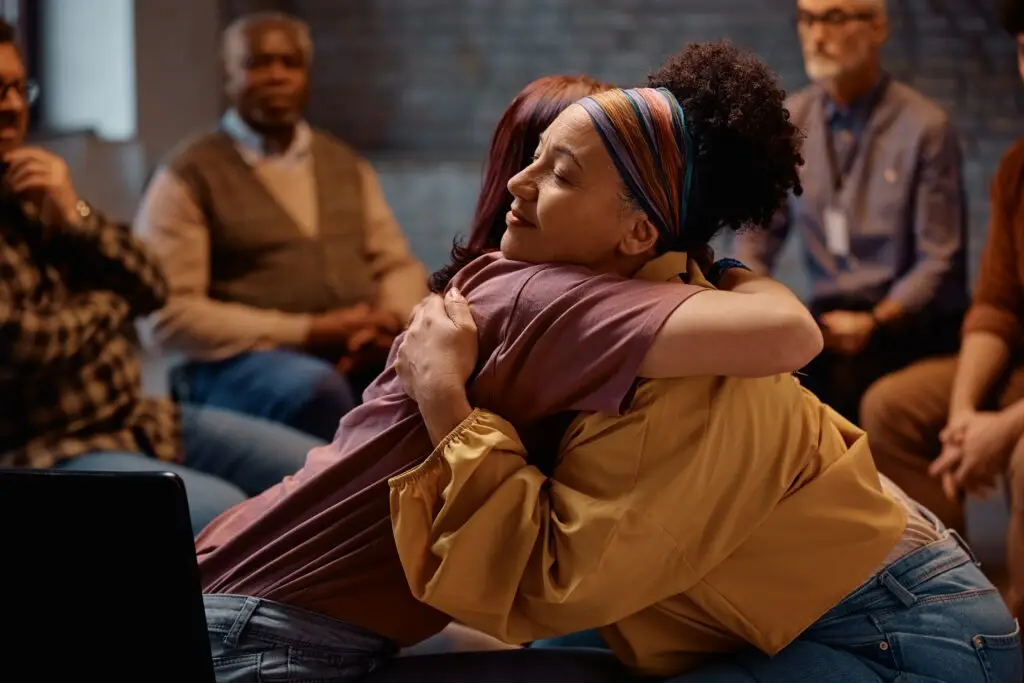
Experiencing long-term or repeated trauma in circumstances where escape is not possible can leave profound and lasting emotional scars. This can lead to Complex Post-Traumatic Stress Disorder (C-PTSD). C-PTSD can affect how a person processes emotions, thinks about themselves and others, and relates to others. The impacts of C-PTSD can seem daunting, but with supportive, evidence-based mental health care, it is possible to understand the dynamics of C-PTSD and develop coping strategies to move forward.
At Horizon Healing Centers, our approach to Complex PTSD treatment in NJ is rooted in trauma-informed care, clinical expertise, and a deep commitment to understanding the unique needs of each client. We provide a safe, supportive environment to help individuals explore their experiences and build the skills they need to manage trauma-related symptoms and create meaningful progress.
wellness starts with a single step.
Insurance Can Help Cover Up to 100%
We work with most major insurance plans, specifically PPO & POS insurance policies which will help cover up to 100% of the costs associated with treatment.
Complex PTSD, often abbreviated as C-PTSD, is a condition that arises from enduring trauma over an extended period, typically in environments from which escape is difficult or impossible. The International Classification of Diseases (ICD-11) recognizes it, though the DSM-5-TR does not yet include it as a separate diagnosis. While both PTSD and C-PTSD share core symptoms of post-traumatic stress, such as persistent fear, avoidance, and hyperarousal, C-PTSD also adds particular challenges with emotional regulation, self-esteem, and relationships.
Unlike PTSD, which is often linked to one-time events such as a car accident or natural disaster, Complex PTSD is associated with chronic trauma. For example, someone who has endured childhood abuse, domestic violence, captivity, or other prolonged traumatic situations may develop C-PTSD. This condition is not a sign of weakness or failure, but an understandable response to overwhelming circumstances.
The key components of Complex PTSD often include:
Whether you’ve recently begun to notice symptoms or have been living with the effects of complex trauma for a long time, professional care can help.
real, live humans standing by
Complex PTSD is often linked to experiences of ongoing or repetitive trauma, especially in circumstances where escape or safety feels impossible. Such situations might include:
It’s important to note that not everyone who experiences such events will develop Complex PTSD. Factors like individual temperament, support systems, genetics, and early intervention can all play a role in how trauma manifests. What matters most is that if trauma-related symptoms are creating challenges in daily life, seeking trauma-informed care is both valid and critical.
The symptoms of Complex PTSD encompass those commonly linked to PTSD, with additional challenges involving emotional regulation, self-esteem, and relationships.
While reading about these symptoms may feel unsettling, experiencing them does not necessarily mean someone has Complex PTSD. If you’re unsure about how best to address what you’re feeling, a mental health professional can help you explore your experiences and provide clarity.
Living with Complex PTSD can feel overwhelming, but healing is possible with the right support. Complex PTSD treatment in New Jersey at Horizon Healing provides personalized care to help individuals address the strong and lasting effects of prolonged trauma. Treatment is not one-size-fits-all—effective care is tailored to meet each person’s unique needs and empowers them to rebuild emotional resilience and healthier relationships.
Healing begins with creating a foundation of emotional and physical safety. Therapy provides a consistent, supportive environment so you can feel grounded and secure enough to explore your experiences at a comfortable pace.
One of the first goals of treatment is to equip you with tools to manage distressing emotions and responses, such as anxiety, flashbacks, or overwhelm. By learning techniques like mindfulness, grounding exercises, and self-soothing strategies, you begin to regain a sense of control over your emotions and daily life.
A crucial aspect of treatment is understanding how long-term trauma affects your brain, emotions, body, and behavior. Exploring this connection helps to reduce feelings of self-blame and empowers you to approach your symptoms with greater self-awareness and compassion.
When you’re ready, treatment may involve exploring past traumas in a guided, structured way to process the pain and reduce its emotional influence. Techniques such as Trauma-Focused Cognitive Behavioral Therapy (TF-CBT) or Eye Movement Desensitization and Reprocessing (EMDR) are often used to help untangle the difficult emotions tied to traumatic memories, without forcing you to relive them in an unsafe way.
Trauma can make connecting with others feel difficult or even impossible, often leading to struggles with trust, communication, and setting boundaries. Complex PTSD treatment helps you navigate these challenges by fostering healthier interpersonal skills, improving communication, and strengthening both self-trust and trust in relationships.
At Horizon Healing Centers, we offer care across varying levels of treatment:
Every level of care is designed to adapt to each client’s symptom severity and treatment goals.
Depending on an individual’s symptoms and goals, their care team might use one or more of the following evidence-based approaches:
Trauma-informed care prioritizes emotional safety and collaboration while recognizing the impact of trauma on your thoughts, feelings, and behaviors. This approach keeps treatment empowering, moves at your pace, and avoids re-traumatization.
CBT helps clients identify unhelpful thought patterns, manage them, and replace them with more constructive and realistic perspectives. This therapy is often focused on building coping strategies and managing triggers.
Particularly effective for emotional regulation and interpersonal challenges, DBT supports individuals in developing:
One-on-one therapy provides a safe and individualized space for exploring trauma-related symptoms, building coping skills, and working toward treatment goals.
Group therapy can help individuals build relationships, share experiences in a supportive space, and practice interpersonal skills with others facing similar challenges.
At Horizon Healing Centers, our therapists use trauma-focused, evidence-based modalities tailored to each client’s experience.
Get Immediate Assistance 24/7
We know that it can be overwhelming seeking help for yourself or a loved one. We’ve made it easy to find the best treatment options that work for you. We do the work to find the right treatment programs that meet your needs.
Our Simple & Easy Process
The first step is to reach out to our caring treatment specialists who will provide you with personalized recommendations for care.
Next we schedule your first intake appointment. This can be done online or in-person, the goal is the same: to get to know you.
Whether you enroll in our IOP or OP programs or are seeing our psychiatrists or therapists, we ensure a smooth start to your journey.
Access to specialized mental health care is essential in New Jersey, where mental health challenges affect many residents. According to recent data from SAMHSA, around 12.4% of adults in New Jersey experience serious mental health concerns annually. This statistic highlights the need for trauma-informed care within the state.
At Horizon Healing Centers, we provide clients across New Jersey with accessible care tailored to their needs. With services in Monmouth County and options for both in-person and online treatment, our goal is to ensure that those living with Complex PTSD have access to the care they deserve.
What to expect

PTSD may follow single-event traumas, such as a car accident or natural disaster. Complex PTSD is linked to repeated or prolonged trauma and involves additional challenges with emotional regulation, self-concept, and relationships.
Yes. While treatment for C-PTSD takes time, evidence-based therapies and professional support can help manage symptoms and improve functioning.
Trauma-informed therapy, CBT, DBT, individual therapy, and group therapy are often used to treat Complex PTSD depending on the client’s needs.
Yes, C-PTSD frequently co-occurs with anxiety, depression, substance use, or other mental health conditions, which are addressed in treatment.
The timeline for treatment depends on each individual’s symptoms, history, and goals, but trauma-related treatment often unfolds gradually over time.
Many insurance plans cover trauma-related therapy, but coverage specifics depend on the provider and plan.
If you’re experiencing symptoms of Complex PTSD, you don’t have to face them alone. Contact Horizon Healing Centers to discuss Complex PTSD treatment in NJ and the care options available to you. Our compassionate and skilled clinicians are ready to help you take the next step toward understanding, managing, and rebuilding your emotional health.